In our modern, sound-filled world, noise-induced hearing loss is on the rise. While you may know full well that loud noises like explosions, fireworks or rock concerts can cause hearing loss, you may be overlooking another, more everyday culprit: the workplace.
What Is Noise-Induced Hearing Loss?
Noise-induced hearing loss (NIHL) is, as the name suggests, hearing loss that is caused by exposure to loud noise. This can happen with a single, deafening sound or when you’re exposed to elevated noise levels for extended periods. Sometimes, you may not even realize that noise levels have reached dangerous heights.
Some symptoms of NIHL include:
- Sounds seem muffled or quieter
- Difficulty understanding conversations, especially in loud or crowded environments
- Mishearing words often
- Not hearing high-pitched sounds, like birdsong or alarms
- Turning the volume up on the TV, radio and other entertainment devices
- Tinnitus, or ringing in the ears
Workplace Hearing Hazards
The CDC estimates that 25% of all workers in the United States have been exposed to noise levels in the workplace that could damage hearing.
Some industries that are constantly exposed to loud noise and most at risk of NIHL may seem obvious at first:
- Miners
- Construction workers
- Manufacturers and machinists
- Foresters and loggers
- Shipyard workers
- Airport ground crew
- Agricultural workers
- Train engineers and truck drivers
- Musicians and entertainers
These are the industries that involve a lot of loud equipment, like machinery, power tools or amplifiers. However, don’t forget that noise can be dangerous if you’re in the environment for long periods of time. It’s because of this that other industries that may not seem as obvious at first also have a high risk of NIHL:
- Retail workers
- Restaurant workers
- Bartenders
- Casino workers
- School and daycare workers
- Healthcare workers
In these environments, noise might not seem too loud at first, but its persistence and slightly elevated levels will prove damaging over time.
The environment itself may play a huge role, as well. Acoustics in a workplace can affect how dangerous the noise levels get. For example, working outside means that the sound waves can disperse away from the workers, but giant warehouses or low-ceilinged restaurants will trap the din in the environment and echo back, amplifying the noise.
How to Protect Your Hearing At Work
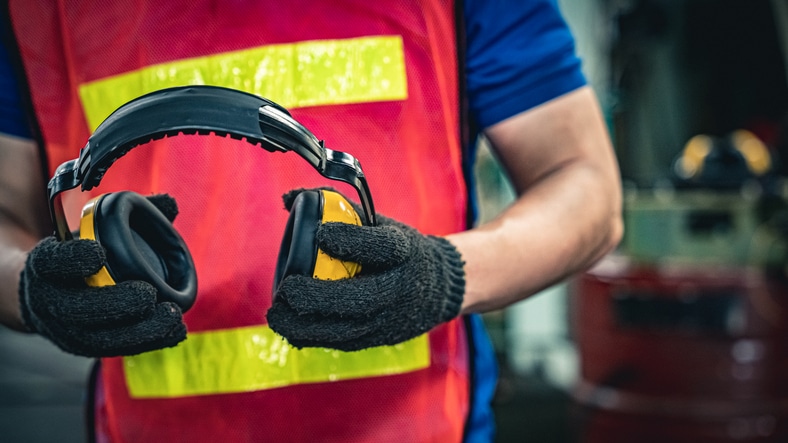
The type of hearing protection you use at work will depend on what kind of industry you’re in and what levels of noise you’re exposed to. The good news is that the Occupational Safety and Health Administration (OSHA) requires any workplace that routinely reaches dangerous noise levels to provide their employees with hearing protection. If you fall into this category, be sure to follow OSHA’s guidelines on hearing protection.
If you notice any changes in your hearing and suspect that work may play a part, it’s a good idea to get a hearing test to determine if any damage has occurred and learn more about hearing protection. Our experts at North Alabama ENT Associates are very knowledgeable about hearing protection and would be happy to talk more about it!