It’s March, which means allergy season is just around the corner, and for many, allergy symptoms have already begun. It is helpful to know exactly which type of pollen or other allergen is behind your allergy symptoms, so we’ve put together a quick guide on what pollen is in the air in March and April.
What Is Pollen?
Pollen is a light, powdery substance that plants, trees, grass, flowers and weeds release into the air to facilitate reproduction. It floats in the air and easily clings to surfaces, making it easy to inhale or come into contact with your skin.
If you’re one of the 25% of Americans with a pollen allergy, your immune system mistakes inhaled or touched pollen for a threat and deploys to neutralize and remove the invader. Of course, if left alone, pollen would have no adverse effect on your health, but the immune system response will cause your symptoms.
What’s In the Air
Northern Alabama is a beautiful area with all four seasons and incredible native flora. As an allergy center with deep roots in the area, we are familiar with local pollen and its effects on our neighbors. Here is what is making you sneeze in early spring.
Tree Pollen
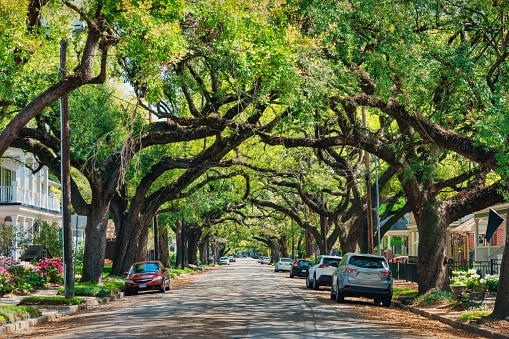
Trees are the most prolific producers of pollen at this time of year. Some trees start releasing their pollen in late winter, but most wait until early spring. Oak, pine and cedar trees are your biggest culprits; if you have a tree pollen allergy, you’ll probably notice you get more sneezing fits when walking down an oak-lined street.
Flower Pollen
While most flowers, especially those used in ornamental landscaping, are still slumbering at this time, native plants in meadows are beginning to emerge. These flowers evolved in northern Alabama’s climate and are therefore keenly attuned to the changing of the seasons. Mature plants drop seeds in the fall, which stay dormant for the winter and then come back to life once the weather is warm enough.
Some flowers that start showing up in early spring include common milkweed, red columbine and woodland phlox.
Grass Pollen
Grass pollen is the type most commonly associated with seasonal allergies. The good news is that grass is not releasing its pollen yet, so if you have a grass pollen allergy, you’re safe for now. Grass, especially lawn grasses, is not native to this area and is generally not well-adapted to the Southern United States climate; therefore, they take a long time to wake up after winter.
If You Still Don’t Know Your Allergy Trigger
If you’ve been sneezing but aren’t sure exactly which type of pollen (or other allergen) is triggering your symptoms, consider getting an allergy test. Knowing what you’re allergic to is invaluable information, as it helps you avoid your triggers and mitigate the symptoms effectively. Call North Alabama ENT Associates today to schedule an appointment.